

Updated · 12 min read
Racing Mind at Bedtime? We Tested 5 Sleep Aids With 276 UK Adults — on How Fast They Actually Switch You Off.
Here is the cruel part about overthinking at night: the more exhausted you are, the louder your head gets. You are too tired to read, too tired to get up — and somehow wide awake enough to replay a conversation from 2019.
There is a second trap underneath it. Trying to stop thinking is itself thinking. Every attempt to force your head quiet is one more thing your brain is doing, which is why “just relax” is the least useful advice ever given to anyone lying in the dark at half past midnight.
So we ran a four-week test with 276 UK adults who described exactly that — in bed at eleven, still awake at one — and scored five of Britain’s best-selling sleep aids on one thing only: how long it takes to actually switch off.

How We Ranked Them
Why We Ran This Test
Almost every sleep aid on the shelf is sold on “sleep quality” — a phrase broad enough to mean nothing. Nobody measures the complaint people actually have, which is not I sleep badly but I cannot switch my head off. So we measured that, and nothing else.
The Test
276 UK adults who reported taking more than 45 minutes to fall asleep on at least four nights a week, with mental chatter rather than physical discomfort as the reason. Split across five groups, four weeks each, with a one-week baseline recorded before anyone took anything.
We Tested
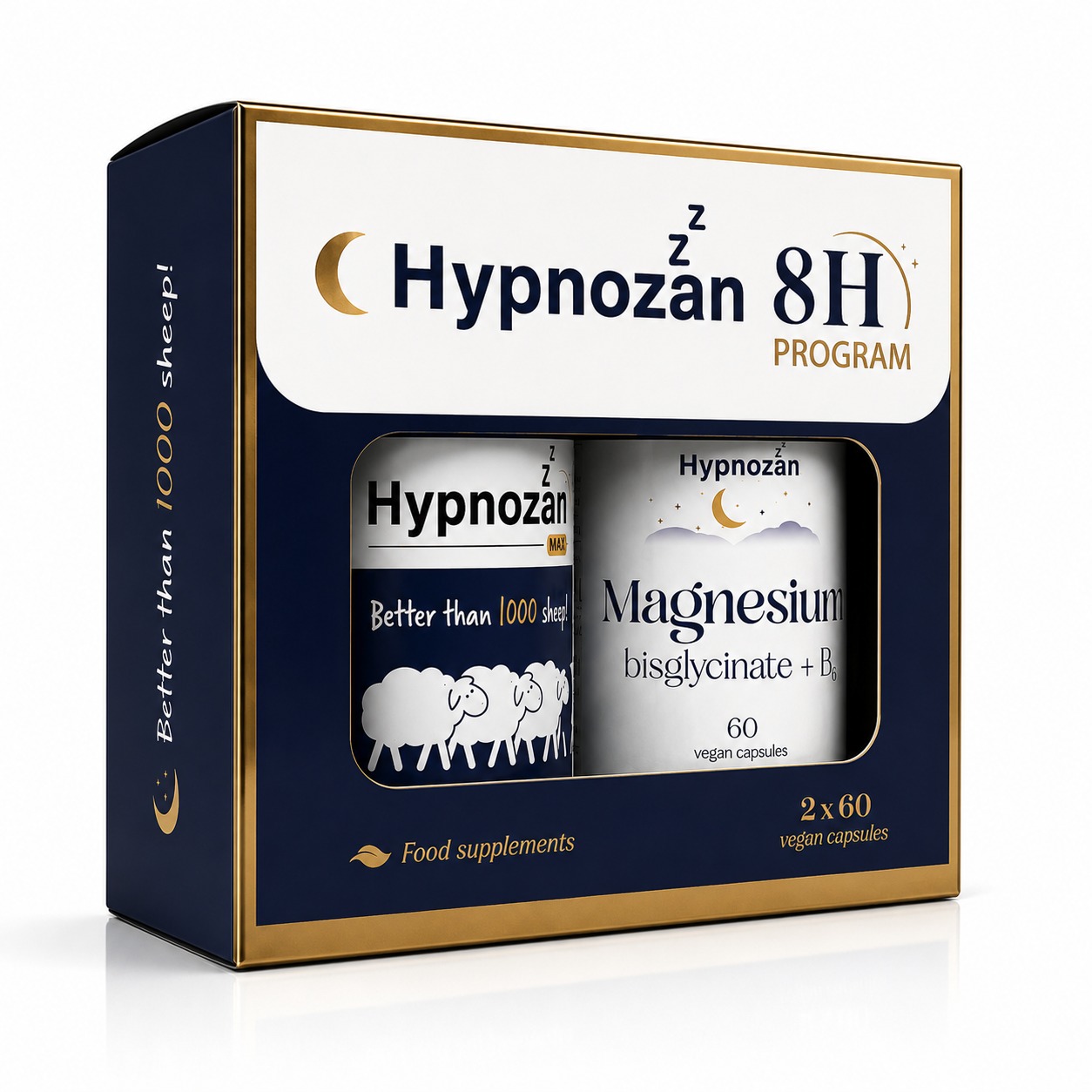
- Hypnozan 8H Program
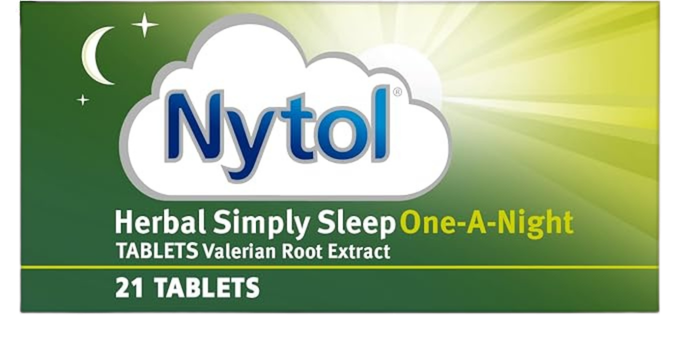
- Nytol Valerian
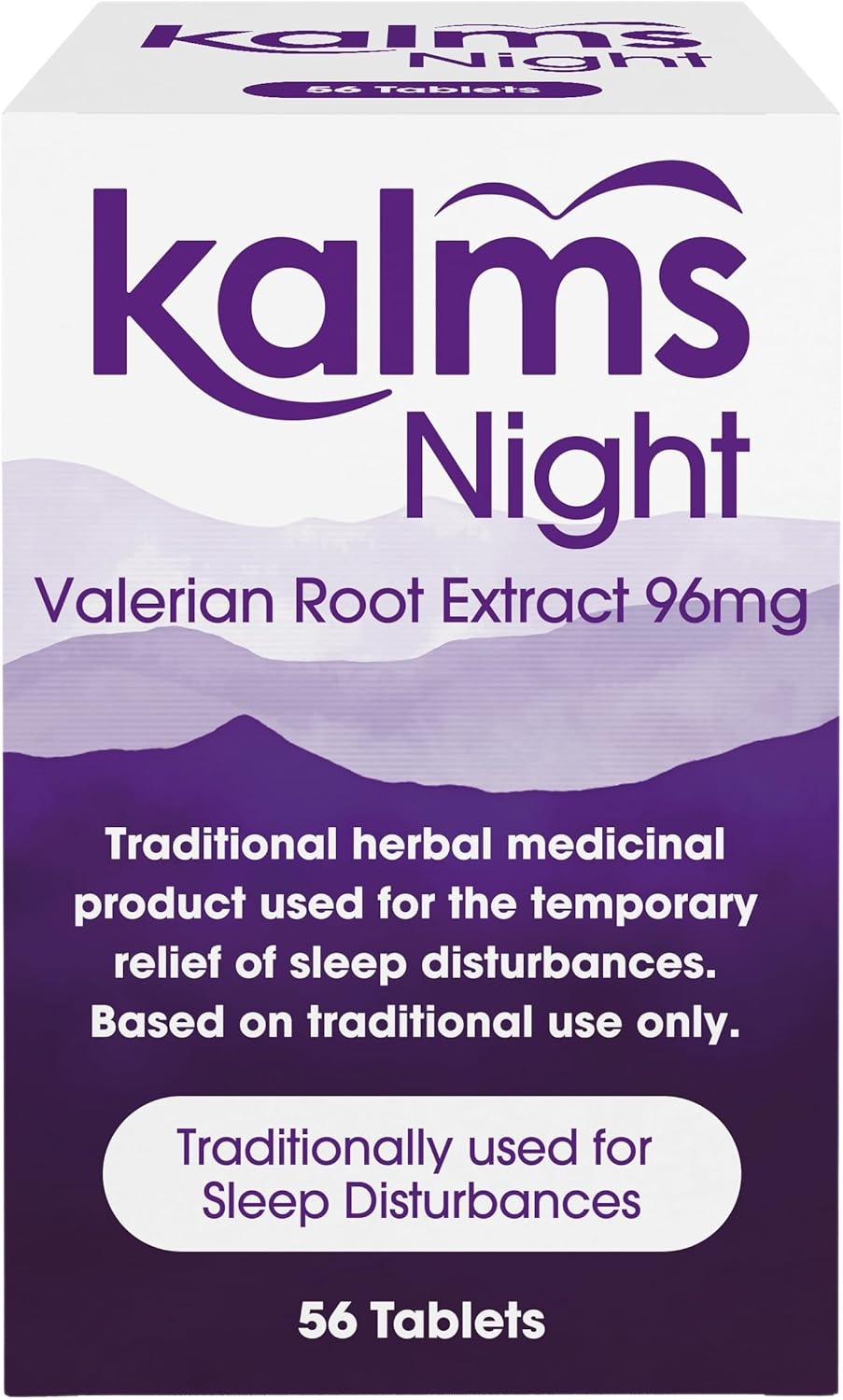
- Kalms Night
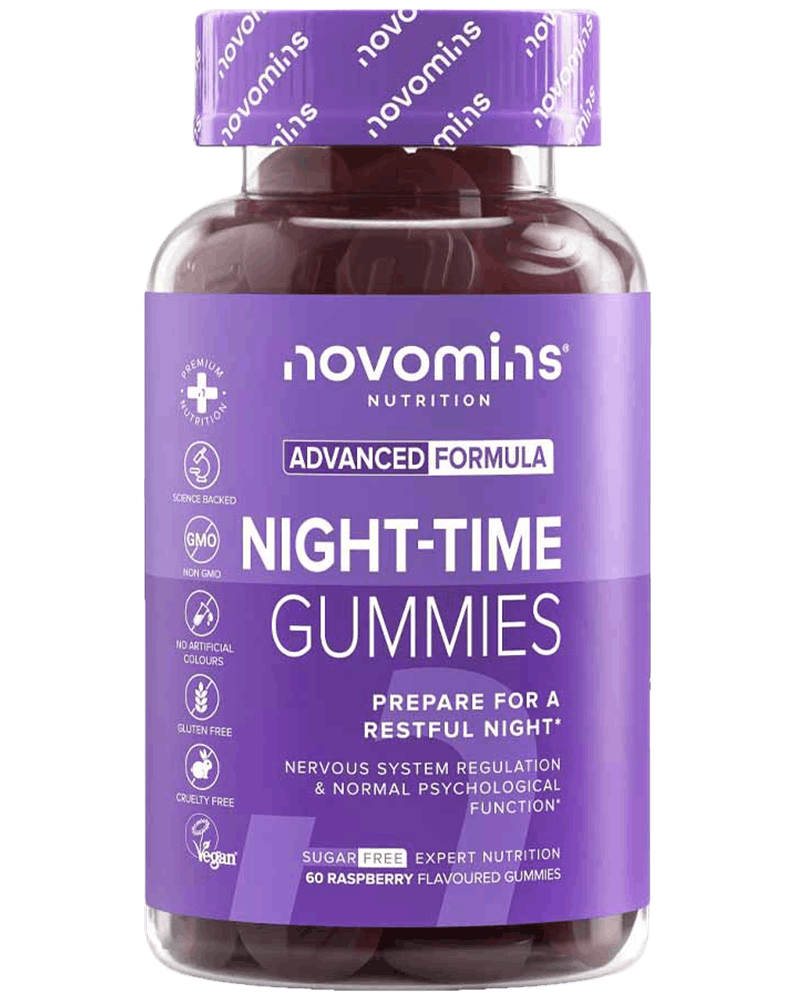
- Novomins Night-Time Gummies
- RESCUE Peaceful Night
The Three Measures
Every product was scored on the same three things. What happens later in the night was deliberately left out.
- Significantly decreased time to fall asleep — the share whose time from lights out to sleep was at least three times shorter than in their baseline week. We set the bar at threefold rather than “improved” because shaving five minutes off ninety is not a result anyone feels.
- Nights still spent lying awake in week 4 — how many nights out of seven it still took more than 30 minutes to drop off. This is the measure that matters most, and it is the one that separates products the first line cannot. Someone who went from 90 minutes to 30 has tripled their speed and still spends half an hour a night waiting — the first line counts that as a success, this one does not.
- No additional morning grogginess — the share who woke no foggier than before the test. A product that gets you under by sedating you into a heavy morning has moved the problem, not solved it.
Our Top 5 Results
What it is: A two-part botanical programme rather than a single tablet, designed so that the two halves run at different speeds — one on the evening you are in, one on the state you keep arriving in it with. The full ingredient list is on the maker’s site.
How it worked: The only entry in the test that appeared to work on the chatter rather than just on drowsiness. It is also the only one built as two parts working together — one dealing with the evening you are in, the other with the state you keep arriving in it with. Neither half carries the result alone, which is why it is sold as a programme rather than a pill. Participants described the difference not as feeling sleepy but as noticing, at some point, that they had stopped arguing with themselves. Most reported it from the first nights, with the pattern settling over roughly a fortnight.
What it is: A high-potency valerian tablet (equivalent to 1.54–1.93 g valerian root).
How it worked: Genuinely strong, and by some distance the best of the single-herb options for this particular problem. If any product here was going to challenge the winner it was this one, and on raw speed it came close. Where it lost ground was the morning after: the same potency that pulls you under leaves the heaviest wake-up of the five.
What it is: A traditional single-herb valerian tablet with official THR status.
How it worked: The same active as Nytol at a gentler dose, and the results track that exactly — marginally slower, noticeably kinder mornings. It cleared the bar, which is more than most of this category manages, and there is a good reason it has been on British shelves for decades. What it does not do is quiet the thinking; it just lowers the volume enough for sleep to get through.
What it is: A raspberry gummy blending chamomile, lemon balm and lavender with magnesium, glycine, L-theanine, B vitamins and zinc.
How it worked: The ingredient list is pointed at the right target — lemon balm and L-theanine are sensible choices for a busy mind — and two thirds of the group did speed up meaningfully. Where it ran out of road was the last stretch. At 40 mg lemon balm and 10 mg magnesium per serving, most participants settled at around half an hour rather than dropping below it, which is why the speed score looks respectable and the nights score does not.
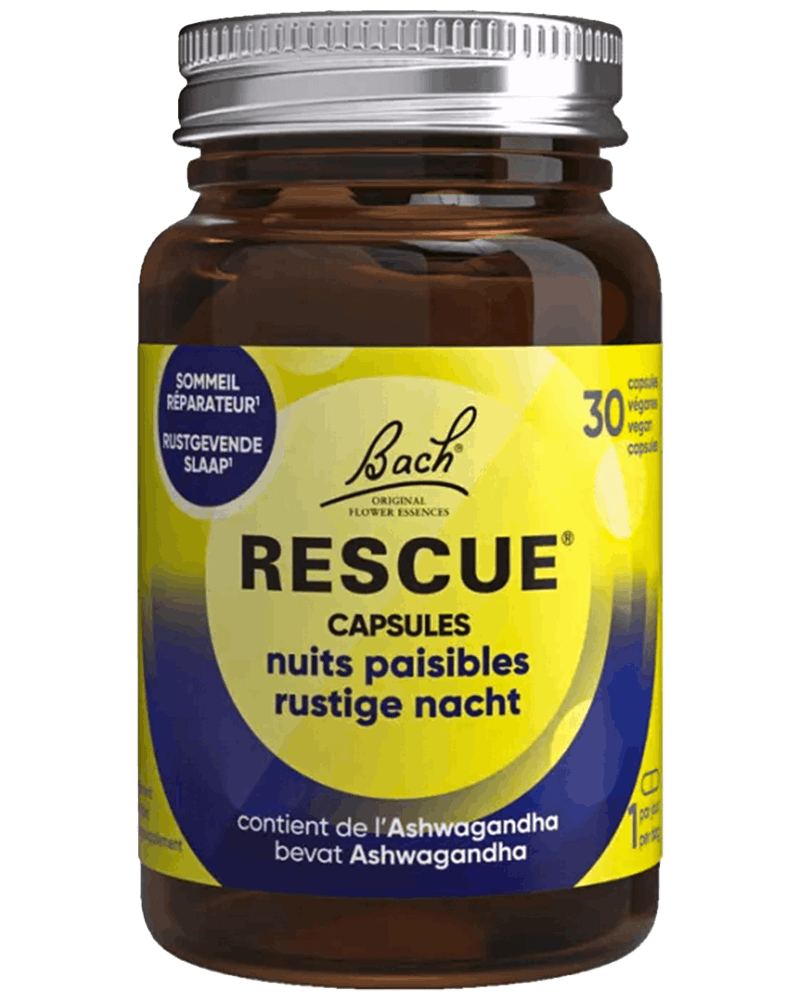
What it is: A capsule from the RESCUE (Bach) range pairing ashwagandha (KSM-66), chamomile and lemon balm with vitamin B6, magnesium and flower essences.
How it worked: The most frustrating result of the five, because the thinking behind it is right. RESCUE includes an adaptogen, which is a sensible target for an over-active mind — but at 50 mg ashwagandha against the 300–600 mg used in published research. Testers found it genuinely calming as a wind-down and it moved their speed score. It simply never had the weight to finish the job.
Three products cleared the bar. Two did not — and the line between them is not the one most people would predict.
The two products that cleared it alongside the winner are the two most recognisable names in the category, and they earned that reputation honestly: both are regulated herbal medicines, both work, and both are available for a few pounds in any pharmacy. If you have been reaching for Kalms or Nytol, you have not been wasting your money.
What separates them from the winner is mechanism. Valerian works by sedation — it makes you drowsy enough that the thinking loses. That works, up to a point, and you pay for the override in the morning: the two valerian products produced the two heaviest wake-ups in the test, at 74% and 78% against 91%.
The winner works differently: it settles the evening rather than overriding it, and it does so from the first nights without the morning price. That is the difference between two nights a week and half of one.
The Verdict
Across 276 participants, every product in this test worked to some degree: between 65% and 93% of each group at least tripled how fast they fell asleep by week 4. Judged on that line alone, there is barely a race here at all — and that is exactly why one number is never enough.
The second line separates them properly. Nytol Valerian and Kalms Night both cleared the bar we set before testing, at two nights a week. They are two of the best-selling sleep aids in Britain and they deserve the position — if you are choosing on price and availability, either is a sound buy.
The Hypnozan 8H Programme cleared it by a different order of magnitude: one bad night a fortnight, or 0.5 nights out of 7. Four times better than the two products that also passed, on the measure that decides how the week feels.
And it did it without the usual trade-off. Nytol was the closest challenger on speed and finished last on mornings, at 74%. The 8H Programme finished first on both, at 93% and 91%: participants got to sleep faster and woke clearer than they had before the test.
The drawbacks are real. It is online only, and it is two products rather than one. But most of that group reported a difference from the first nights, and for a mind that has been refusing to shut up for months, it is the one we would try first.
One point worth adding. A mind that works at night is a habit rather than a one-night state, and a handful of quiet evenings does not undo it — several dozen in a row does. A single month is a trial: it tells you whether it suits you, not whether it lasts. Most people we hear from run it for three to six months, by which point the quiet evening is simply the default.
Discover the productValerian root is traditionally used to support natural sleep. This herbal claim is awaiting authorisation and is used under transitional provisions. Magnesium and vitamins B6 and B12 contribute to normal functioning of the nervous system, to normal psychological function, and to the reduction of tiredness and fatigue.
Safety: not suitable during pregnancy or breastfeeding. Do not combine with alcohol or sedative medicines. Speak to your doctor before use if you take any medication, particularly for blood pressure, blood thinning or heart rhythm.
Always consult your GP before starting any new sleep aid. Individual results vary; outcomes are self-reported by participants and are not medical claims.
Comments (2)
Fall a sleep at night straight away, But then wake up every couple of hours from 12,o clock onwards any ideas please
I have chronic kidney disease and take meds for my heart. I am always nervous what to take. 3:49 am currently in bed and wide awake. Drives me mad.